


Remembering Dr. Campbell, A Pioneer in Highway Safety Research
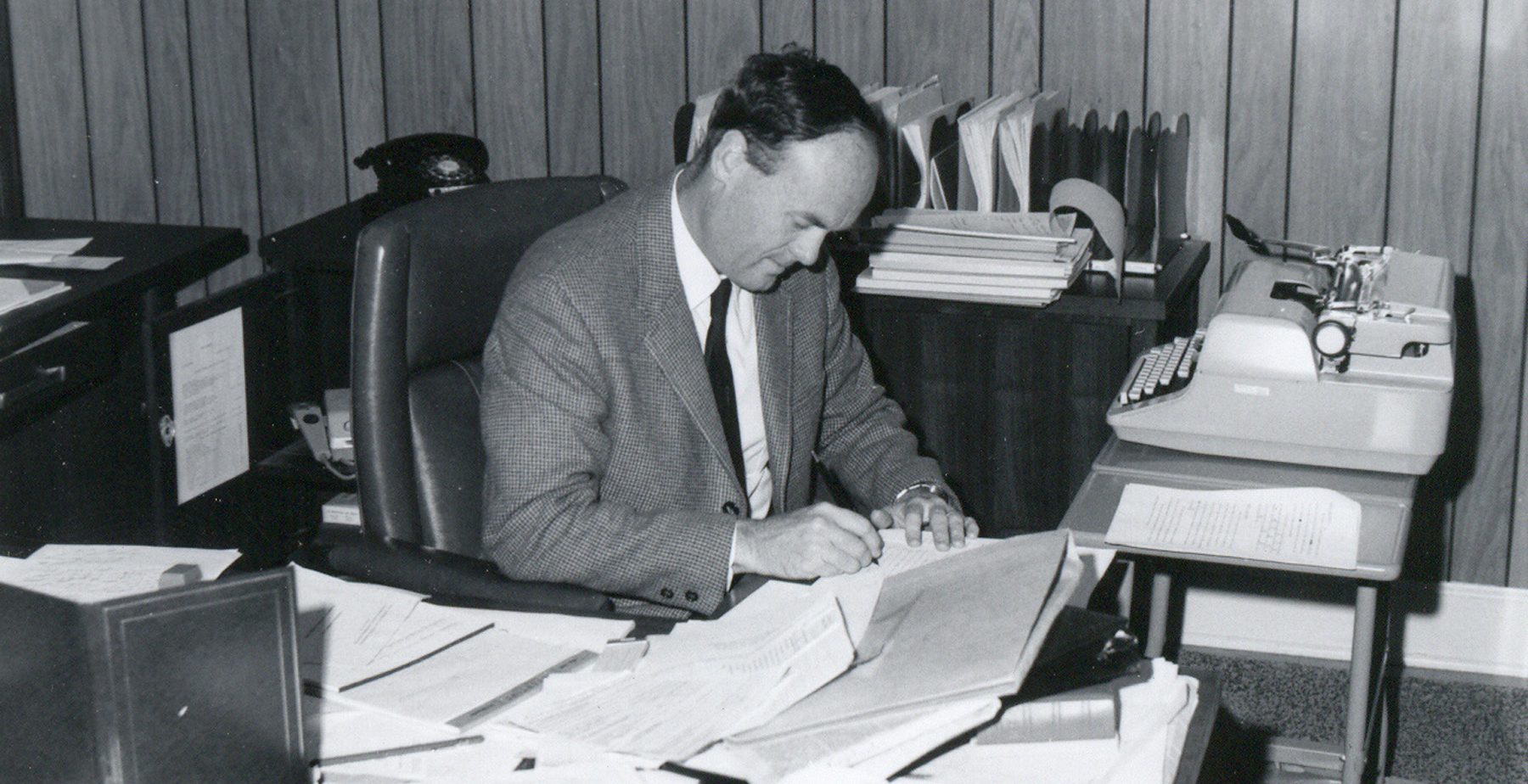
The UNC Highway Safety Research Center (HSRC) honors the life and legacy of its founding director, Dr. Bobby Jack (B.J.) Campbell, a pioneer whose vision and leadership helped shape highway safety research in North Carolina and across the nation.
Dr. Campbell served as director of HSRC from its founding in 1966 until his retirement in 1992. Over more than three decades of service to the state, he built the Center into one of the nation’s leading hubs for highway safety research. His work earned him numerous professional awards throughout his career and North Carolina’s highest civilian honor, the Order of the Long Leaf Pine Award, which he received in November 2015.
Widely recognized as a national authority, Dr. Campbell’s impact was succinctly captured by the late University of North Carolina President Dr. William Friday:
“B.J. Campbell [was] one of the nation’s leading authorities on highway safety. His work in establishing HSRC at the University brought significant recognition to the institution and the state. The substantial improvements in safety practices on the highways of our country…are eloquent testimony to his leadership.”
Building a Foundation of Evidence-Based Safety
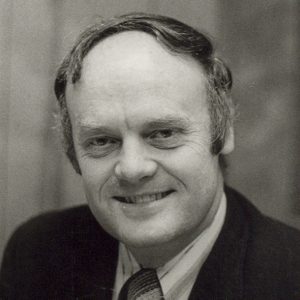
Under Dr. Campbell’s direction, HSRC established a clear and enduring mission: to provide practical, actionable highway safety research and information rooted in sound science. During his tenure, the Center led groundbreaking work across a broad spectrum of safety topics, including examining occupant restraints and their safety, enhancing and implementing crash and roadway inventory data, drinking and driving, vehicle safety standards, driver licensing and performance, and motorcyclist, pedestrian, and bicyclist safety.
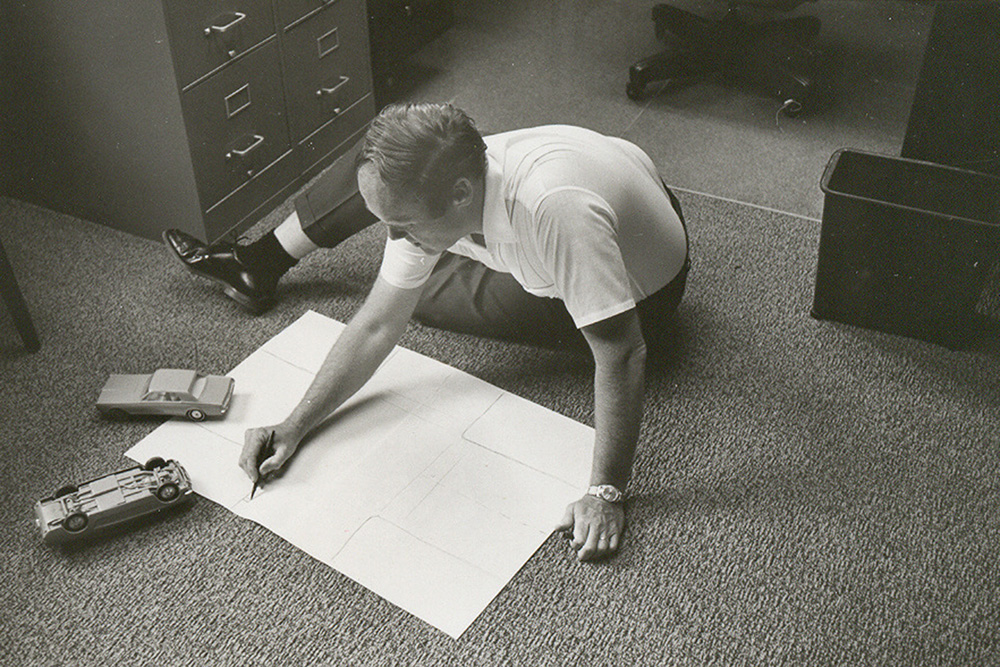
Throughout his career, Dr. Campbell was committed to preventing traffic injuries and fatalities. His early work in crash investigations advanced the understanding of injury prevention, while his research on seat belts, child safety restraints, and vehicle crashworthiness helped document life-saving benefits that shaped modern safety standards. He also played a critical role in developing traffic accident databases and evaluation methods still used to inform safety policies and programs today.
Equally important, Dr. Campbell ensured that research findings extended beyond academic circles. Through teaching, professional training, and public outreach efforts, he helped translate research into real-world policies and practices that improved safety outcomes nationwide.
A Leader, Mentor, and Innovator
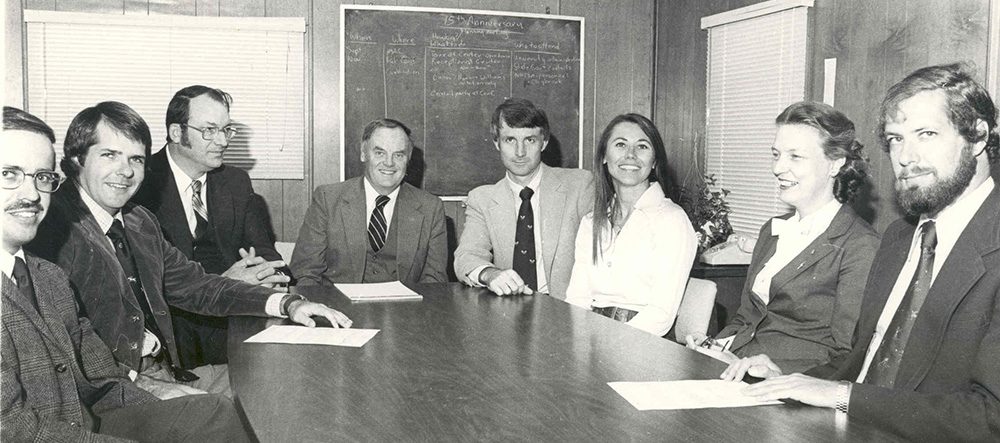
Dr. Campbell distinguished himself not only through his own extensive research contributions—authoring more than 100 reports, articles, and presentations—but also through his dedication to mentoring the next generation of researchers. His encouragement and guidance helped cultivate a community of professionals who continue to advance the field of highway safety today.
HSRC flourished under Dr. Campbell’s leadership, gaining a reputation for excellence that endures. The Center’s ongoing impact is built upon the strong foundation of rigorous research and public service that he established.
Dr. Campbell’s vision transformed HSRC into a nationally recognized leader in highway safety research. Today, the Center continues to build on that legacy by advancing knowledge, informing policy, and working toward a future where all modes of transportation are safer for all.
Honoring a Life Well Lived
Dr. Campbell passed away on May 25, 2026, at the age of 96. Born on October 12, 1929, in Fort Worth, Texas, he earned his bachelor’s and master’s degrees from Texas Christian University and his PhD from the University of North Carolina at Chapel Hill. Prior to leading the UNC Highway Safety Research Center, Dr. Campbell served the University of North Carolina’s Institute of Government, first as a research associate and later as assistant director (1958-1959). He was also a research professor of psychology.
He is remembered not only for his professional achievements, but also for his deep commitment to family, colleagues, and students. His legacy lives on in the countless lives saved through safer vehicles, stronger laws, and more effective public safety programs informed by research.
A memorial service will be held on June 11, 2026, at the Chapel of the Cross in Chapel Hill, with burial in Kimesville, North Carolina.
View Dr. Campbell’s full obituary.
###