


Driving Change: Investigating How to Effectively Communicate Traffic Recommendations to Schools and Families
Timeframe
2025-2029
HSRC Team
Elizabeth Pinyan, Principal Investigator and Junior Research Associate
Kristel Robison, Senior Research Associate
Nancy Pullen-Seufert, Senior Research Associate and Director, National Center for Safe Routes to School
Sarah O’Brien, Senior Research Associate
Alessandro Figueroa, Junior Research Associate
Stephen Heiny, Research Associate
Jonathon, Weisenfeld, Design Services Manager
Browse recent work by these HSRC researchers on their individual bio page.
Summary
HSRC is leading a new North Carolina Department of Transportation (NCDOT) research project focused on improving how transportation guidance is communicated to schools and families. The project, Driving Change: Communicating MSTA Traffic Recommendations to Schools and Caregivers More Effectively, examines how recommendations from NCDOT’s Municipal and School Transportation Assistance (MSTA) program are interpreted and put into practice after a school transportation review is completed. A school transportation review is required when a school is building on or expanding to determine if traffic will be impacted and then provides recommendations for safety on and off campus. While these recommendations are designed to improve safety and traffic flow around schools, little research has explored how they are understood by school leaders and caregivers or how they translate into day-to-day drop-off and pick-up operations.
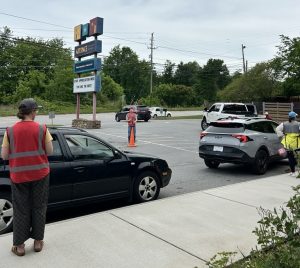
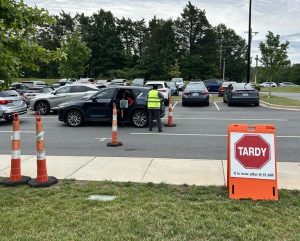
Beginning in March 2026, the research team started visiting charter schools across North Carolina to observe carpool operations and speak with school leaders and caregivers about their experiences. By bringing together perspectives from NCDOT engineers, school leaders, and caregivers, the project aims to identify ways to improve communication and support schools in implementing transportation recommendations.
Research Objectives
- Improve how transportation information is shared between NCDOT, school leaders, and caregivers at urban charter schools.
- Discover how MSTA recommendations are communicated and implemented at schools, including identifying challenges and decision-making processes.
- Engage caregivers and school leaders to listen, learn, and build solutions with them.
- Create evidence-based materials and toolkits.
Scope
State
Deliverables
Major deliverables for this project include:
- Summary of formative research findings and collected data, including cross-site themes and school-level insights.
- Communication materials and resources designed to improve awareness, understanding, and implementation of transportation recommendations among school leaders.
- Toolkit with practical materials and strategies to help schools communicate carpool procedures and support safer and more effective operations.